
So… THAT happened
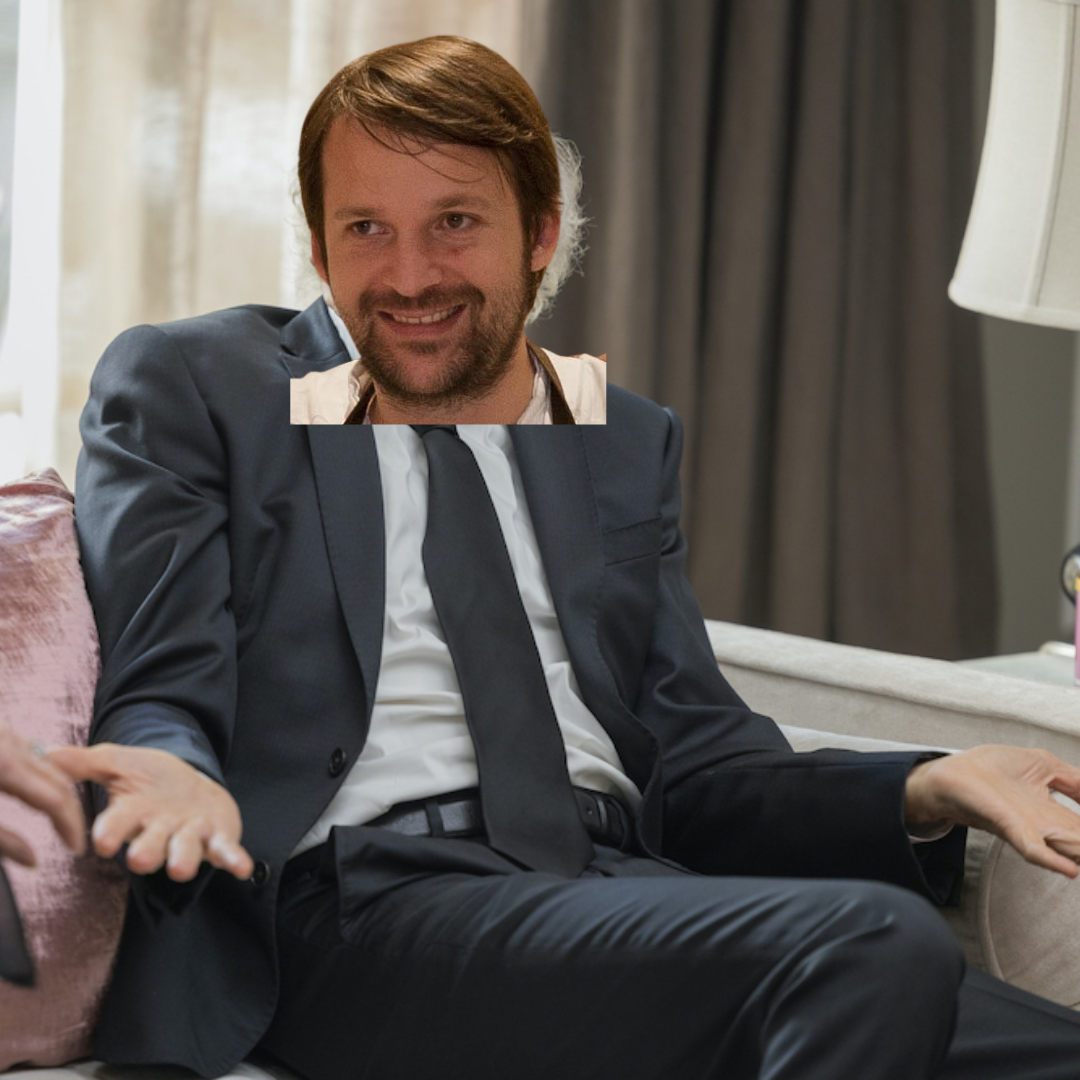
In case you’ve been living under a rock this week or paying more attention to the war in Iran or something, Noma has officially been cancelled. Here’s a quick, imperfect recap of all that’s happened thus far:
Jason turned the world onto René’s abuse through his Instagram account.
He received so much engagement that he decided to plan a protest at Noma LA, and had help in creating, he created a website dedicated to help past workers of not just Noma but of toxic restaurant environments of all types to share their stories.
The NY Times did their due diligence and put out a piece of investigative journalism about it, uncovering more than had already come to light.
René put out a tone deaf apology.
Noma’s sponsors Amex, Blackbird, Resy, and allegedly Cadillac all pulled out of their upcoming LA popup, ostensibly leading to financial loss for not only Noma but themselves.
Not only did Amex and Blackbird pull out, but they are refunding people’s tickets and donating all remaining proceeds to “organizations that protect restaurant workers” in their own words.
René has stepped away from Noma and his other Noma-related endeavors.
The chef at Udtryk, a one-star Michelin restaurant in Copenhagen, was fired for allegations of hitting someone in the past.
It is unprecedented for a grass-roots movement to build up so quickly, like a snowball rolling down a hill, about change in the restaurant industry and to see that change happen in real time.
It is unprecedented for big companies like this to pull out of such a big food event like this days before its opening. Some perspective:
Tickets to Noma LA were (are?) $1500 a person all-in
It’s open 4 nights a week for 16 weeks, and each night it has the capacity for 42 covers
that’s $63,000 a night
$252,000 a week
$4,032,000 in revenue over the course of its residency (not including any other forms of revenue that they undoubtedly were accounting for). They made that revenue in 3 minutes.
Certain seats were reserved for American Express and Blackbird customers exclusively, and I imagine other sponsors paid to be a part of it for brand visibility alone. For corporations to give that up when… – idk did they have to? – sets a precedent for big companies to do the same with abusers of ALL kinds, for the simple reason that they are just abusers.
And of course, the takes have been unprecedented. Some of them have been good. Some of them have been bad. But mostly, they have been a lot.
Look, I enjoy writing essays for fun OK? Chris enjoys picking fights with strangers on Threads; even we wished we were living under a rock this week or at least by a nude beach – anything to distract us from these many, many takes. Isn’t it ironic? because I’m posting my take on it right now, but I feel like I can’t not give my take on it since I kind of maybe helped get Jason’s word out a tiny bit maybe. Like, for real, a minuscule bit. But still, even so.
Don’t get me wrong - I’m not trying to take responsibility for pushing the snowball down the mountain. Jason is the one who did hard, actual work. Others who worked there did the hard, actual work of speaking up. And journalists did the hard, actual work of pushing that snowball over the edge. For Jason, the unpaid interns, and the countless other cooks all over the world who have been subjected to Noma-level abuse, we celebrate in solidarity with them. It is truly heartening to see their activism pay off, and it makes me hopeful for the future despite everything just being so kooky crazy right now.
But their victory also warrants larger issues for the food community to grapple with:
For one, while it’s Jason’s prerogative as an insider to call out whoever he wants (he was there), it’s not our place as outsiders to fault those at Noma who chose to stay behind or have their own versions of things that transpired, whether they see themselves as victims or not. I don’t want to come to the defense of Noma defenders either, but we can’t assume they’re all assholes; perhaps some have experienced similar abuse even if they don’t see it that way. In theory, we can champion the work Jason and others are doing without addressing these people. But in practice, we have no control over what triggers someone online, and a lot of them are lashing out because they feel personally attacked. How can we champion Jason’s work without turning off those we may need on our side the most?
For two, certain food people, let’s say, who have denounced Noma recenetly have also been recently posting about, let’s say, certain jam restaurants. They did not quite defend it when it was cancelled 5 years ago and all of a sudden seem to love it very much. Likewise, certain indie food magazines that are calling out René supporters are not acknowledging that they allegedly interviewed him about his popup a while back (granted it seems that interview was never posted). Even though things and people can and do change, can we really just not address it and erase history like that? What responsibility do food writers and content creators have to do good by those who actually work in the restaurant industry, whether they have suffered abuse or not?
And for three, what if you went to Noma and had the best night of your life? Are you still allowed to cherish it as a memory? Are you still allowed to like dining out in general, knowing that by doing so you may be implicitly supporting abuse? And in leu writing about restaurants who could use some exposure if not public support, why do certain indie slash queer slash zeitgeist-y food media outlets choose to talk about Outback Steakhouse, Super Peach, and, yes, Noma itself?
Answers to these questions may be different for everyone. These are mine:
For one, I think we champion Jason’s work regardless. Those defending Noma might feel alienated by that, but while I think we should try to understand the context of not only which they live but where they came from, we are also not at all obligated to do so.
For two, food writers and content creators have an obligation to do good by those who work in the restaurant industry depending on the nature of their work. Some can post about certain jam restaurants and it’s fine because they and thus their audience have a different relationship to it than we do. As someone who follows food writers and content creators who do have an obligation to do good by folks who work in the restaurant industry, it does not sit well with me that we’re all posting about going to certain jam restaurants now! Especially because these puff pieces are coming from people I actually like. Do we not remember what happened? People could have actually died. I’m not saying that certain chefs who operate certain jam restaurants can’t change or doesn’t deserve a second shot. But for certain food people, the least you can do is address the past. I don’t know if it’s even about setting the stage for us to completely forget why things like Nomagate happen while leaving the victims of jamgate behind. It just feels like bad taste.
As for the third thing… I got into restaurants because I wanted to be a chef and it’s why I stayed in them, even when I switched to front of house. Cooking is my escape, my retreat, my little treat. Even though I’m actually good at it now, I feel in love with it when I wasn’t. I truly, deeply, love it so much. But I also love eating just as much. As soon as my new media production company takes off (ahem), I’d love nothing more than to eat at a stupid 50-Best restaurant where a meal lasts all day and costs $10,000. And I also love a Sausage McMuffin sometimes. Is that problematic? I don’t know. But I do know that restaurant folks are some of the best people, and I hope that comes across in my writing that – like it or hate it – is true to myself.
I did not expect Nomagate to blow up like it did. I did not expect strangers to DM me, thanking me for spreading the word about violence at Noma. I’m truly thankful for our audience, and it has also been jarring for me to see my writing have an affect on the physical world. Me. A D-List beanfluencer. This whole thing has showed me first hand the power that social media can have – something that I don’t think anyone yet fully understands. I also don’t think Nomagate and it’s impact is nearly over, as much as I’d very much like it to be.
But hey, at least this blog post is! As an epilogue, here is a brief list of things chefs and restaurants I worked at did that I thought were good:
paying front of house and back of house a similar wage, and posting everyone’s bi-weekly earnings for transparency in their office
having firm boundaries with what’s to be expected at work vs. outside of work
honoring day off requests to the best of their ability while understanding when one might not be available to cover a shift
making it clear why day off requests were not approved when asked
having us taste every dish on the menu
giving stages a free meal
showing me why I was doing something wrong
doing nice things for us when we didn’t ask

